
We invite you to discover the botanical richness of our campsite. We manage biodiversity with the utmost rigor, prioritizing native Mediterranean species in our landscaped areas to guarantee low water consumption. We also encourage you to observe the unique —and often scarce— flora that inhabits the beach dunes and the area surrounding the lagoon. This green heritage enriches the landscape and offsets nearly 34 tons of CO2 annually.
************************
GREEN AREAS
TREES: We have recorded approximately 2,200 trees from about 15 different species. The most common are:
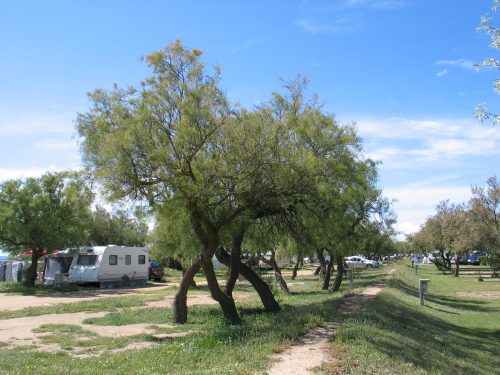
TAMARISK (Tamarix gallica): The most common tree at the campsite (about 1,500 specimens). It stabilizes the dunes, resists salinity very well, and requires very little water.
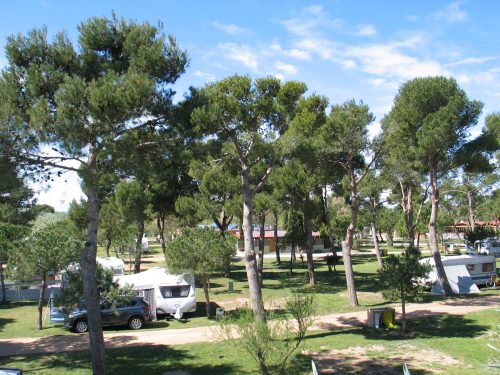
PINE (Pinus pinea and Pinus halepensis): We have about 230. These are the tallest trees found at the campsite (up to 40 meters). The fruits of the Pinus pinea, pine nuts, are highly valued.
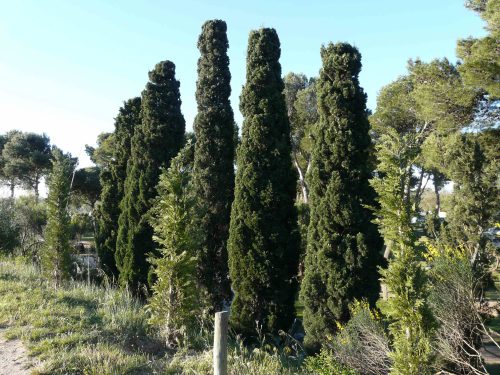
CYPRESS (Cupressus sempervirens): A symbol of hospitality and mourning since antiquity. Common in the Empordà landscape, where it is planted as a living wall (windbreak) to protect crops from the strong Tramontana wind.
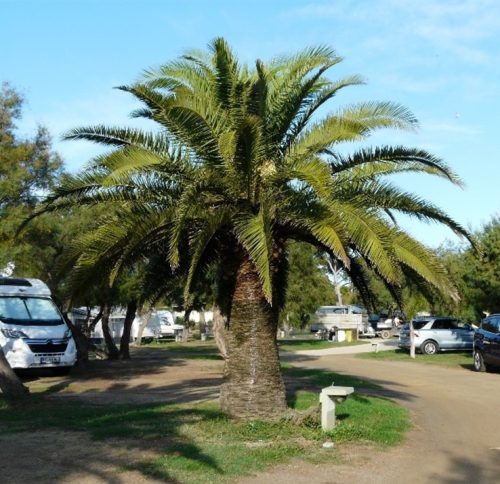
CANARY ISLAND DATE PALM (Phoenix canariensis): Among the different types of palm trees seen at the campsite, the Canary palm is the largest. It is currently a difficult species to maintain due to the proliferation of pests.
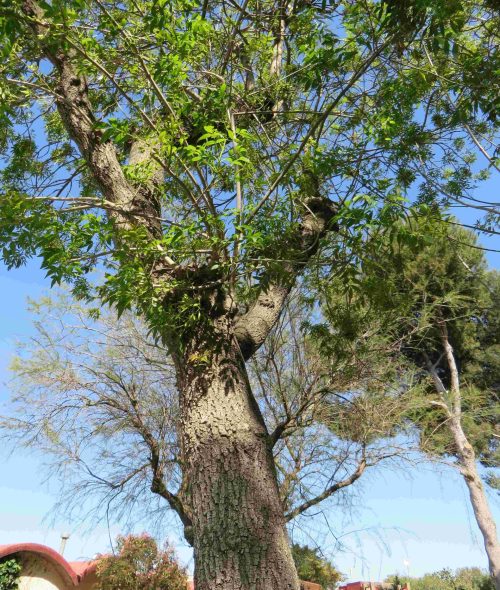
ASH (Fraxinus angustifolia): A tree native to much of the wetlands, except for the area closest to the sea. This is due to its high adaptability to all types of terrain, as it can live in partially flooded soils but also in dry ground with an absence of water.
************************
SHRUBS AND PLANTS: Approximately 3,700 specimens have been recorded. We use the largest shrubs to separate plots and bungalows:
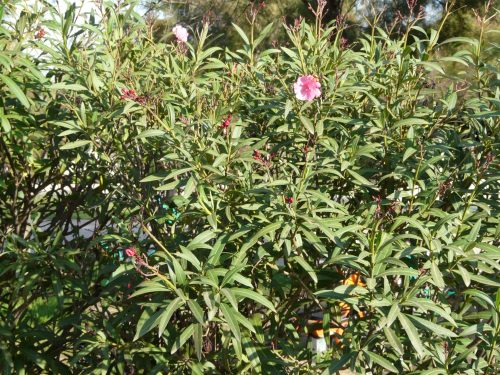
OLEANDER (Nerium oleander): Used to create separations between plots. It can reach up to 6 meters in height and blooms from spring to autumn.
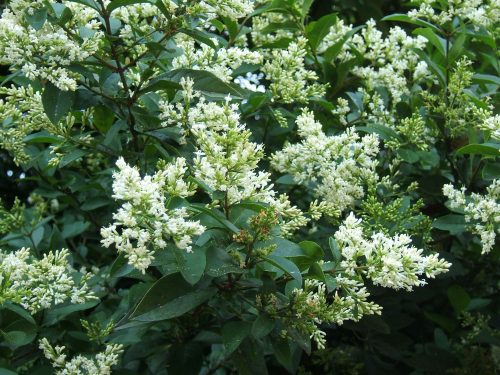
GARDEN PRIVET (Ligustrum ovalifolium): A very hardy shrub that you can see serving as a partition between the bungalows
*********************
PRESERVED NATURAL ENVIRONMENTS
LAGOON: The plant species that can be seen around the lagoon are the same as those found in the Aiguamolls de l’Empordà. Low, thick vegetation adapted to contact with waters of changing levels and salinity.
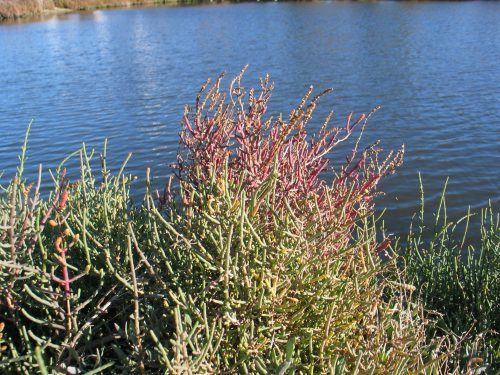
Salicornia
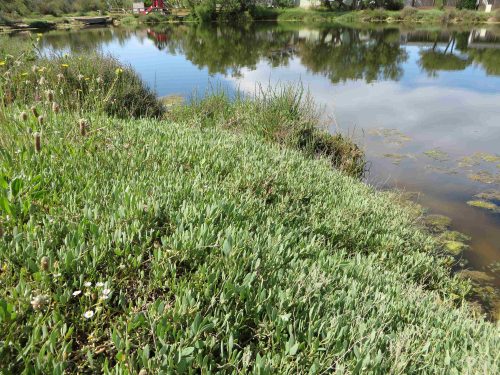
Halimione (Atriplex) portulacoides
*********************
BEACH: Behind the shoreline, we find dune formations with vegetation highly adapted to halophytic environments (high salt concentration), dryness (of the air or soil), and strong winds.
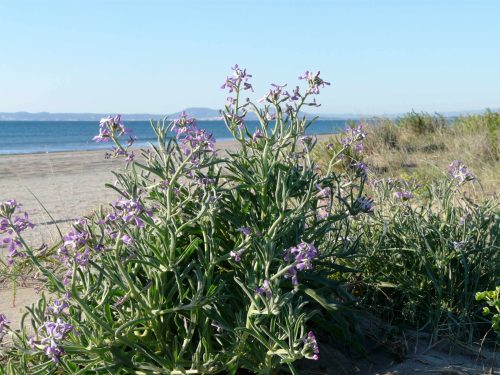
Matthiola sinuata
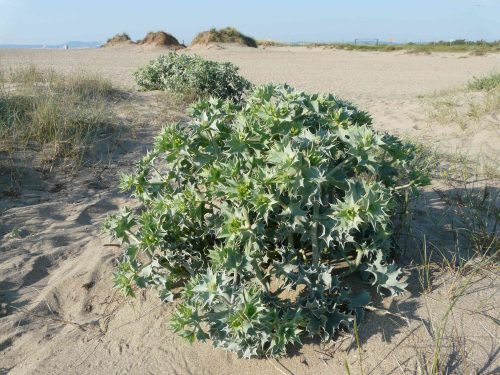
Erygnium marítinum
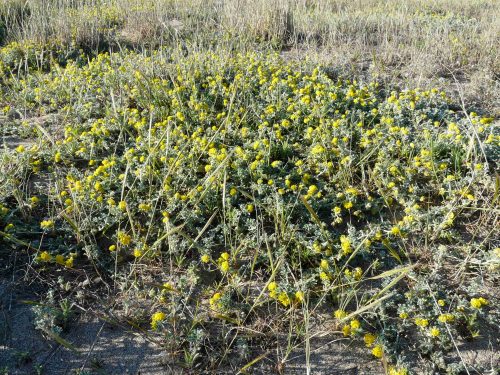
Medicago marina
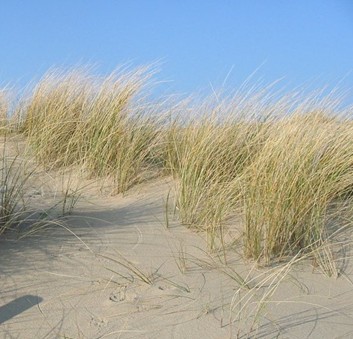
Ammophila arenaria
*******************
INVASIVE SPECIES: These are defined as exotic species, native to other habitats or regions, that are capable of expanding into a new territory in a relatively short time, with harmful effects both on native biodiversity (displacement of species, habitat alteration, etc.) and on agriculture. Some species classified as invasive can be observed in the campsite’s surroundings.
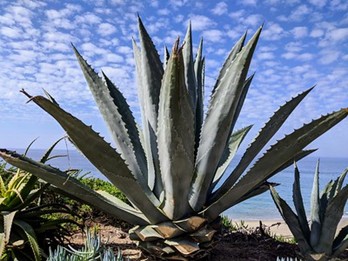
AGAVE / CENTURY PLANT (Agave americana): Common on our coasts, where it has been established since the 16th century. It blooms only once in its life, which leads to the death of the plant.