
The Natural Park has different routes with observatories that allow us to get close to nature. All of them are accessible on foot and some of them also by bicycle.
During the year the Park evolves according to seasonal changes typical of the Mediterranean climate and it offers us different changeable landscapes:
Spring: The Park becomes a shelter for the migrating birds on their way from the south to the north. 82 of these species nest on a regular basis, and therefore the regulations for visits are much stricter. Furthermore, it is the best time to appreciate the distinct flora. By the end of June, the level of the water falls and the landscape changes drastically.
Summer: By mid-July, the marshlands and ponds dry out; only the briny lagoons under the sea level are deluged. The flora and fauna survive by laying their eggs and seeds for next season.
Autumn: When the rains fill out the place again, they make way for the fish and provide shelter and food for migrating animals, both the ones that stay all winter and those who continue their way to Africa. By the end of October, the fallow deer rut starts.
Winter: During the winter months, thousands of seabirds come from the north to stay. During February and March these will coincide with the birds migrating from the south for breeding.
Consider these changes and manage your expectations. You can visit the information centre El Cortalet to plan your visit
You can find more information on Park´s plan.
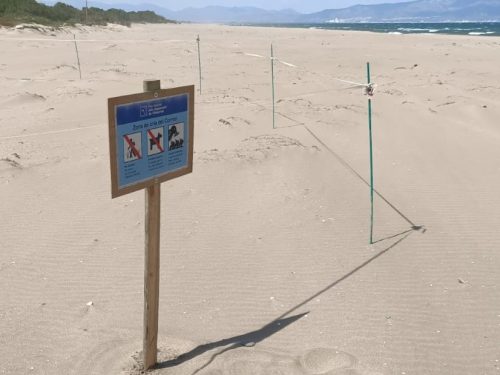
Spring: Can Comes beach is closed to protect the nesting of the Kentish Plover.
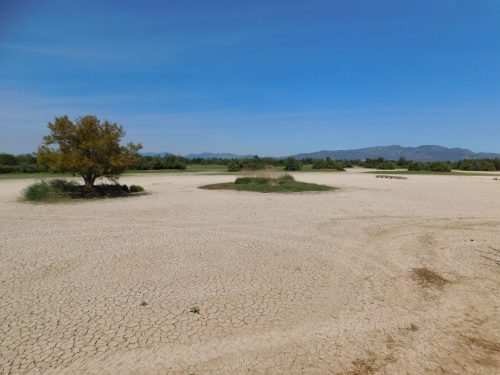
Summer: By mid-July, the marshes and lakes dry out and there´s water left only at the briny lagoons closest to the sea.
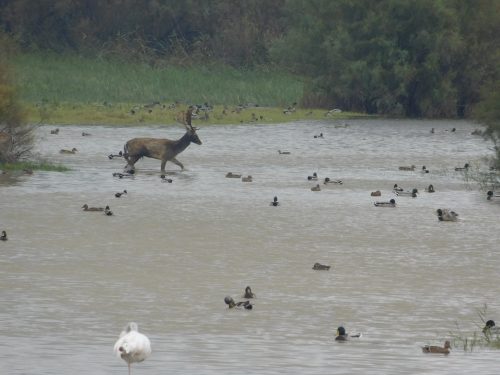
Autumn: Rains flood the area again.
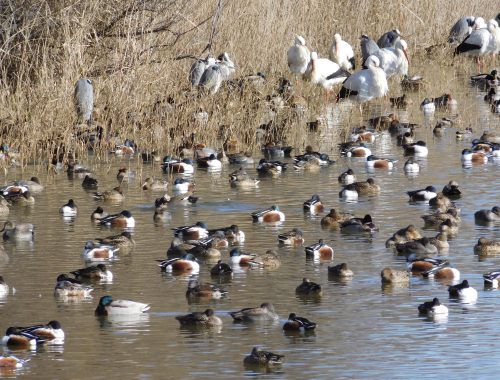
Winter: In winter months, thousands of seabirds from the north reside here.